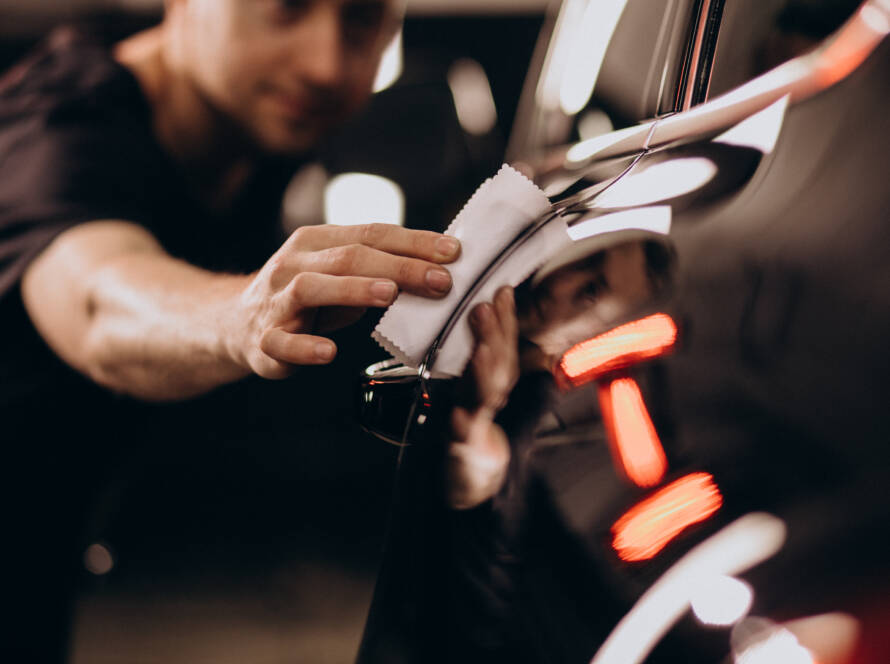

Car window tinting is a process that involves applying a thin film to the windows of your vehicle. This film can vary in thickness, color, and material, and it serves multiple purposes, from enhancing aesthetics to providing practical benefits. When you think about window tinting, you might picture a sleek, darkened appearance that gives your car a more sophisticated look.
However, the reality is that window tinting is much more than just a cosmetic upgrade. It involves a careful selection of materials and techniques to ensure that the tint not only looks good but also performs well. The primary function of window tinting is to reduce the amount of sunlight that enters your vehicle.
This is particularly beneficial during hot summer months when the sun’s rays can make your car’s interior uncomfortably warm. Additionally, window tinting can help protect your skin from harmful UV rays, which can lead to skin damage over time. As you explore the world of car window tinting, you’ll discover that there are various types of films available, each designed to meet specific needs and preferences.
Understanding these options will empower you to make informed decisions about what’s best for your vehicle.
Benefits of Car Window Tinting
One of the most significant advantages of car window tinting is the enhanced comfort it provides. By reducing glare and blocking out excessive sunlight, tinted windows can create a more pleasant driving experience. You may find that you can drive longer distances without feeling fatigued or distracted by bright light.
Moreover, tinted windows can help maintain a cooler temperature inside your vehicle, which can be especially beneficial if you live in a region with scorching summers. In addition to comfort, window tinting offers increased privacy and security. Tinted windows make it more difficult for outsiders to see inside your car, which can deter potential thieves and protect your belongings.
This added layer of security can give you peace of mind when you park your vehicle in public spaces. Furthermore, window tinting can also help protect your car’s interior from fading and cracking due to sun exposure. By blocking harmful UV rays, tinted windows can prolong the life of your upholstery and dashboard, ultimately saving you money on repairs and replacements.
Choosing the Right Tint for Your Car
When it comes to selecting the right tint for your car, there are several factors to consider. First and foremost, you’ll want to think about the level of darkness you prefer. Tints are available in various shades, ranging from light to dark, and the choice often depends on personal preference as well as local regulations.
You may want to experiment with different shades to see which one complements your vehicle’s color and style while still providing the benefits you’re looking for. Another important consideration is the type of film you choose. There are several types of window films available, including dyed, metalized, ceramic, and hybrid films.
Dyed films are often more affordable but may not provide as much heat rejection as other options. Metalized films reflect heat and UV rays but can interfere with electronic signals. Ceramic films offer excellent heat rejection without interfering with electronics and are often considered the best option for performance and durability.
As you weigh your options, think about how each type of film aligns with your needs and budget.
Legal Regulations and Restrictions on Window Tinting
Before you proceed with window tinting, it’s crucial to familiarize yourself with the legal regulations in your area. Each state or country has specific laws governing the level of tint allowed on different windows of a vehicle. For instance, some places may permit darker tints on rear windows while restricting front windshield tints to lighter shades.
Ignoring these regulations could result in fines or the need to remove the tint altogether. To ensure compliance with local laws, you may want to consult with a professional window tinting service or check your state’s Department of Motor Vehicles (DMV) website for guidelines. Understanding these regulations will not only help you avoid legal issues but also ensure that you choose a tint that enhances your driving experience without compromising safety or legality.
The Process of Installing Window Tint
The installation process for window tinting typically involves several steps that require precision and attention to detail. First, the technician will clean the windows thoroughly to remove any dirt or debris that could interfere with adhesion. This step is crucial because even small particles can lead to bubbles or imperfections in the final product.
Once the windows are clean, the technician will measure and cut the film to fit each window accurately. After cutting the film, it is applied using a special adhesive solution that allows for adjustments during installation. The technician will carefully position the film on the window and use tools to smooth out any bubbles or wrinkles.
This process requires skill and experience to ensure a flawless finish. Once the film is applied, it may take some time for it to cure fully, so you’ll need to avoid rolling down your windows for a specified period after installation.
Maintenance and Care for Tinted Windows
Maintaining tinted windows is essential for preserving their appearance and functionality over time. One of the most important aspects of care is cleaning. You should avoid using abrasive materials or harsh chemicals that could damage the film.
Instead, opt for a soft cloth or sponge along with a mild soap solution specifically designed for tinted windows. Regular cleaning will help prevent dirt buildup and keep your windows looking clear and vibrant. In addition to cleaning, it’s wise to be mindful of how you treat your tinted windows during extreme weather conditions.
For instance, if you live in an area with intense heat or cold, avoid exposing your windows to sudden temperature changes, as this could cause the film to peel or bubble. By taking these simple precautions and being gentle with your tinted windows, you can extend their lifespan and enjoy their benefits for years to come.
Common Misconceptions about Window Tinting
Despite its popularity, there are several misconceptions surrounding car window tinting that can lead to confusion or hesitation among potential customers. One common myth is that all window tints are illegal or that they will automatically result in fines. In reality, many states allow various levels of tinting as long as they comply with specific regulations.
By doing your research and understanding local laws, you can confidently choose a tint that meets both your aesthetic desires and legal requirements. Another misconception is that window tinting significantly reduces visibility at night. While darker tints may limit visibility in low-light conditions, many modern films are designed to provide excellent clarity both day and night.
In fact, high-quality tints can enhance contrast and reduce glare from headlights, making nighttime driving safer rather than more challenging. By dispelling these myths, you can make an informed decision about whether window tinting is right for you.
Finding a Professional Window Tinting Service
When it comes time to install window tint on your vehicle, finding a reputable professional service is crucial for achieving optimal results. Start by seeking recommendations from friends or family who have had positive experiences with local tinting services. Online reviews can also provide valuable insights into customer satisfaction and quality of work.
Once you’ve narrowed down your options, take the time to visit potential service providers in person. This allows you to assess their professionalism and ask questions about their experience, materials used, and warranty policies. A trustworthy service will be transparent about their processes and willing to address any concerns you may have.
By investing time in finding the right professional service, you can ensure that your window tinting experience is smooth and satisfactory. In conclusion, car window tinting offers numerous benefits ranging from enhanced comfort and privacy to protection against UV rays and heat. By understanding the various aspects of window tinting—from choosing the right film to navigating legal regulations—you can make informed decisions that enhance your driving experience while ensuring compliance with local laws.
With proper care and maintenance, tinted windows can provide lasting advantages for both you and your vehicle.